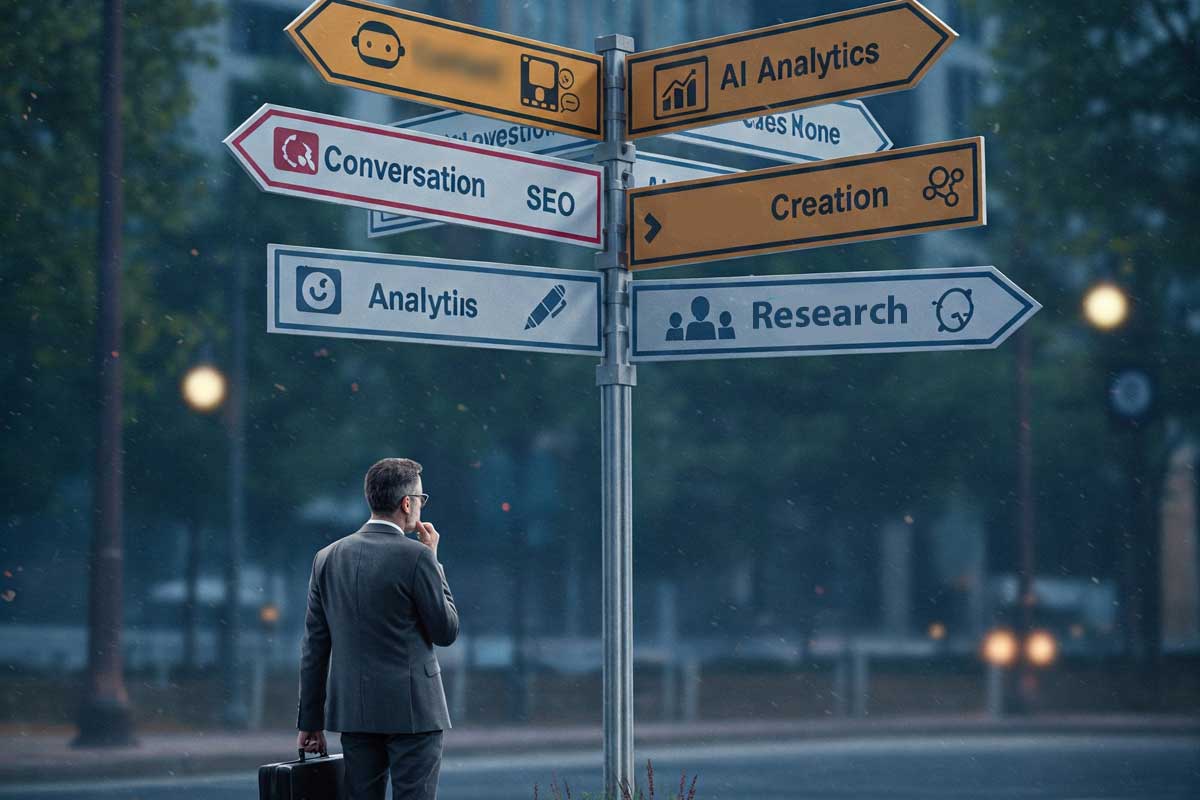
Artificial intelligence is rapidly transforming marketing, offering businesses unprecedented opportunities to personalize campaigns, automate tasks, and gain deeper insights into customer behavior. But with a plethora of AI marketing tools available, choosing the right ones for your business can be overwhelming. This article breaks down key marketing segments and suggests some best-value AI tools to consider.
I. Content Creation & Optimization
AI can assist with everything from generating content ideas to optimizing existing content for search engines.
Content Generation: While AI can't fully replace human creativity, tools can help overcome writer's block and generate initial drafts. Jasper.ai is a popular option known for its ability to create various content formats. Rytr is another option, often praised for its ease of use and affordability. Remember to always review and edit AI-generated content to ensure it aligns with your brand voice and messaging.
SEO Optimization: AI-powered SEO tools can analyze your content and suggest improvements for better search engine rankings. SurferSEO and MarketMuse are examples of tools that use AI to analyze top-performing content and provide recommendations for keyword optimization, content structure, and more.
II. Market Research & Analysis
Audience Insights: Tools like Synthesia can create AI avatars to deliver personalized video messages, helping you connect with your audience on a more personal level. For more traditional research, consider tools that integrate with social listening platforms to understand audience sentiment and trending topics.
Competitive Analysis: AI can help you analyze your competitors' marketing strategies, identify their strengths and weaknesses, and find opportunities to differentiate your brand. Tools like Crayon track competitor activity and provide insights into their marketing campaigns.
III. Image & Graphic Creation
AI Image Generation: Tools like DALL-E 2 and Midjourney can generate unique images from text descriptions, enabling you to create custom visuals for your marketing materials without needing extensive design skills. These are fantastic for generating creative assets, but remember that licensing and usage rights should always be considered.
Automated Design: Tools like Canva leverage AI to suggest layouts, color palettes, and other design elements, simplifying the design process and making it accessible to non-designers.
IV. Advertising & Automation
Programmatic Advertising: AI-powered platforms can automate the buying and selling of ad space, ensuring your ads are shown to the right audience at the right time.
Marketing Automation: Tools like HubSpot and Marketo use AI to automate marketing workflows, such as email marketing, social media posting, and lead nurturing. These can significantly improve efficiency and campaign performance.
V. Customer Service & Chatbots
Platforms like Dialogflow and ManyChat allow you to build custom chatbots that can answer frequently asked questions, provide product information, and even qualify leads.
Choosing the Right Tools
When selecting AI marketing tools, consider the following factors:
- Your specific marketing needs: What are your biggest challenges? Which areas of your marketing could benefit most from AI?
- Your budget: AI tools vary significantly in price. Start with free trials or freemium versions before committing.
- Ease of use: Choose tools that are intuitive, even for non-technical users.
- Integration with existing tools: Ensure the tools integrate seamlessly with your current marketing stack.
- Scalability: Select tools that can scale with your business as it grows.
By carefully evaluating your needs and exploring the options available, you can choose the right AI marketing tools to enhance your marketing efforts. Remember that AI is a tool, and its effectiveness depends on how you use it. Combine the power of AI with your own strategic thinking and creative input for the best results.